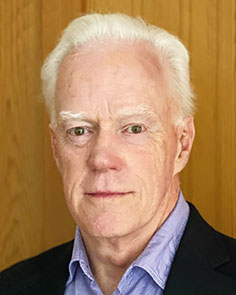
About
Areas of SpecialisationGeneral Otolaryngology, Head & Neck Surgery, Voice & Swallowing Disorders, Nasal & Sinus Disease
Qualifications/MembershipsMBChB (Otago) 1975, FRACS 1982
Categories
- Parathyroid/Parotid Surgery
- Thyroid Surgery
- Voice Disorders / PhonoSurgery
- Snoring/OSA
- Otolaryngology
- Neck Lump Surgery
- Head & Neck Surgery
Definitions
Otolaryngology or ENT (ear, nose and throat) specialises in the diagnosis and treatment of ear, nose, throat, and head and neck diseases and disorders. This commonly involves surgery to the head and
neck to treat such things as cancers of the oral cavity (mouth), pharynx (throat), and larynx (‘voice box’), as well as other tumours. Endocrine surgery involves surgery to any of the hormone-producing glands in the neck, such as removal of the thyroid (thyroidectomy), one or more of the parathyroid glands (parathyroidectomy), parotid (parotidectomy), lymph nodes and salivary glands. Other head and neck surgery may involve reconstructive treatment after injury or disease.moreA neck lump is any bump, lump or swelling in the neck. They have many causes and are not always serious. They can be enlarged lymph nodes, due to bacterial or viral infection or inflammation. Lumps
in the neck can be due to benign (non-cancerous) swellings as seen in cysts, or lumps of fibrous tissue or fat (fibrolipomas). Growths can form in the parotid and thyroid glands. These can be benign or malignant (cancerous). Cancers that begin in the head or neck usually spread to lymph nodes in the neck before they spread elsewhere. Therefore, a lump in the neck that lasts more than one month should be examined by a head and neck specialist. Although not all lumps are cancerous, a lump in the neck can be the first sign of cancer of the mouth, throat, larynx (voice box), thyroid gland, or of certain lymphomas or blood cancers. Such lumps are usually painless and grow steadily. Surgery aims to investigate, diagnose and, if necessary, remove any unwanted neck lumps. Benign lumps, such as a fibrolipoma or cyst, are usually removed. If the lump is associated with another problem in the head and neck, such as cancer, both the primary site and the neck lump need to be treated. This may involve surgery and other therapies, such as radiotherapy. Some simple neck lumps may be able to be removed under local anaesthesia. Otherwise surgery takes place with general anaesthesia.moreOtolaryngology deals with diagnosis and treatment of diseases and disorders of the ear, nose, throat (ENT) and related structures of the head and neck, including the sinuses, larynx (voice box), oral
cavity, and upper pharynx (mouth and throat). Otolaryngology is commonly called ENT.moreSnoring is common in adults and can be a social problem. Those who share a bed with someone who snores can develop sleep difficulties. Snoring can sometimes be a sign of a sleep disorder called
obstructive sleep apnoea (OSA). Apnoea involves periods when you partly or completely stop breathing for more than 10 seconds while asleep. The episode is followed by a sudden gasp or snort when breathing resumes. Then, snoring starts again. With OSA, the pauses in breathing occur because the airway has become narrowed, blocked or floppy. As well as OSA, some causes for snoring may include: being overweight; pregnancy; nasal congestion; swelling of the roof of the mouth (soft palate) or uvula (the tissue that hangs down in the back of the mouth); swollen adenoids and tonsils that block the airways; use of sleeping pills, antihistamines or alcohol before bedtime; large tongue size compared to the mouth; and abnormalities in the bones of the face. Factors that increase the risk of OSA include: certain shapes of the palate or airway that make it narrower or collapse more easily; large tonsils and adenoids in children that can block the airway; large neck size; and large tongue. Sleeping on the back also increases sleep apnoea episodes. Many people with OSA wake up unrefreshed in the morning and feel sleepy throughout the day. OSA may lead to leg swelling; depression; and hyperactive behaviour, especially in children. Tests will include an examination of mouth, neck and throat. You may be given a survey on daytime sleepiness, sleep quality and bedtime habits. A sleep study (polysomnogram) is often used to confirm OSA. Treatment aims to keep the airway open so that breathing does not stop during sleep. Lifestyle changes to relieve symptoms, including snoring, may involve: avoiding alcohol or sedatives at bedtime; not sleeping on the back; and losing weight. Continuous positive airway pressure (CPAP) is a common treatment. CPAP is delivered by a machine with a tight-fitting face mask. It aims to decrease snoring and prevent sleep apnoea. Other treatment options may include: dental appliances to prevent the tongue from falling back; and surgery to the palate, nose, sinuses and airways.moreThe thyroid gland is located in the lower part of the neck, below the Adam’s apple, wrapped around the trachea (windpipe). It produces hormones which help regulate the heart rate, blood pressure,
body temperature and metabolism (the rate at which food is converted into energy). Thyroid disorders can include an overactive gland, called hyperthyroidism, or an underactive gland, called hypothyroidism. Both can result in an enlarged thyroid gland. Sometimes surgery is required to remove the thyroid gland. A thyroid nodule is a small swelling or lump in the thyroid gland. They are usually examined with imaging such as ultrasound or MRI, and a fine-needle aspiration biopsy, a relatively painless procedure to take tissue fluid samples from the nodule. Thyroid surgery may be required when: the biopsy indicates the nodule is cancerous; the nodules are getting bigger; or the trachea or oesophagus is compressed because the thyroid is very large. Thyroid surgery involves removing part or all of the thyroid gland, under general anaesthesia. Usually, the lobe of the thyroid gland containing the nodule lump is removed. An analysis of tissue will determine if the rest of the thyroid gland should be removed, during the same surgery. (Alternatively, surgery may be done at a later date.)more