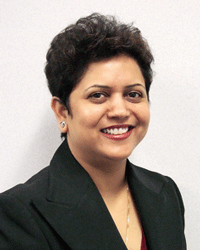
Dr Anju Basu
about Dr Anju Basu
Dr Anju Basu is a New Zealand-trained gynaecologist with over 25 years of experience in a variety of Gynaecological conditions. She has specialist expertise in advanced laparoscopic and Da Vinci robotic-assisted surgery and the management of complex benign gynaecological conditions.
Dr Basu completed is credentialed in the Da Vinci robotic surgical system. She has extensive experience in complex endometriosis, pelvic floor disorders, and large fibroid uteri, and regularly manages cases requiring advanced surgical planning and multidisciplinary input. Anju has over 25 years of traditional laparoscopic surgical experience and has performed more than 200 robotic-assisted surgical cases.
She participates in international surgical audit and outcome monitoring
services
Areas of Expertise
- Advanced laparoscopic surgery
- Da Vinci robotic-assisted gynaecological surgery
- Complex benign gynaecological surgery
- Severe endometriosis and chronic pelvic pain
- Pelvic floor disorders and pelvic organ prolapse
Clinical Services
- Endometriosis/pelvic pain - Medical and surgical management of endometriosis and chronic pelvic pain
- Laparoscopic and robotic-assisted treatment of moderate and severe endometriosis
- Pelvic floor Botox therapy
- Medical and surgical management of menstrual disorders
- Laparoscopic and robotic-assisted hysterectomy, including large fibroid uterus
- Laparoscopic and robotic myomectomy with in-bag morcellation
- Ovarian cysts and pelvic mass management (laparoscopic/Robotic approach, open as indicated)
- Operative and outpatient hysteroscopy (fibroids, polyps, septum, Ashermans syndrome)
- Pelvic organ prolapse and urinary incontinence
- Colposcopy and treatment of abnormal cervical screening results
- Management of postmenopausal bleeding
Practice Philosophy
Dr Basu practices evidence-based, patient-centred gynaecological care with a strong emphasis on Enhanced Recovery After Surgery (ERAS) principles. Her approach focuses on thorough pre-operative education, optimisation of surgical outcomes, reduced complications, and shorter hospital stays. She works closely with multidisciplinary teams and values clear communication with both patients and referring clinicians.
Southern Cross Affiliated Provider for
Consultaion, Colposcopy, LLETZ and room based procedures
nib - First Choice network provider for consultations and all surgical procedures.
credentials
Qualifications
MBBS, FRANZCOG
gallery
contact Dr Anju Basu
Wakefield Specialist Medical Ctr, 99 Rintoul St, Newtown, Wellington
EDI: evohcare